When Debate Becomes Unwelcome: The Erosion of Free Expression on American Campuses
Late in February 2026, what should have been a routine academic lecture at the University of California, Los Angeles (UCLA), became yet another symbol of a troubling trend in American higher education.
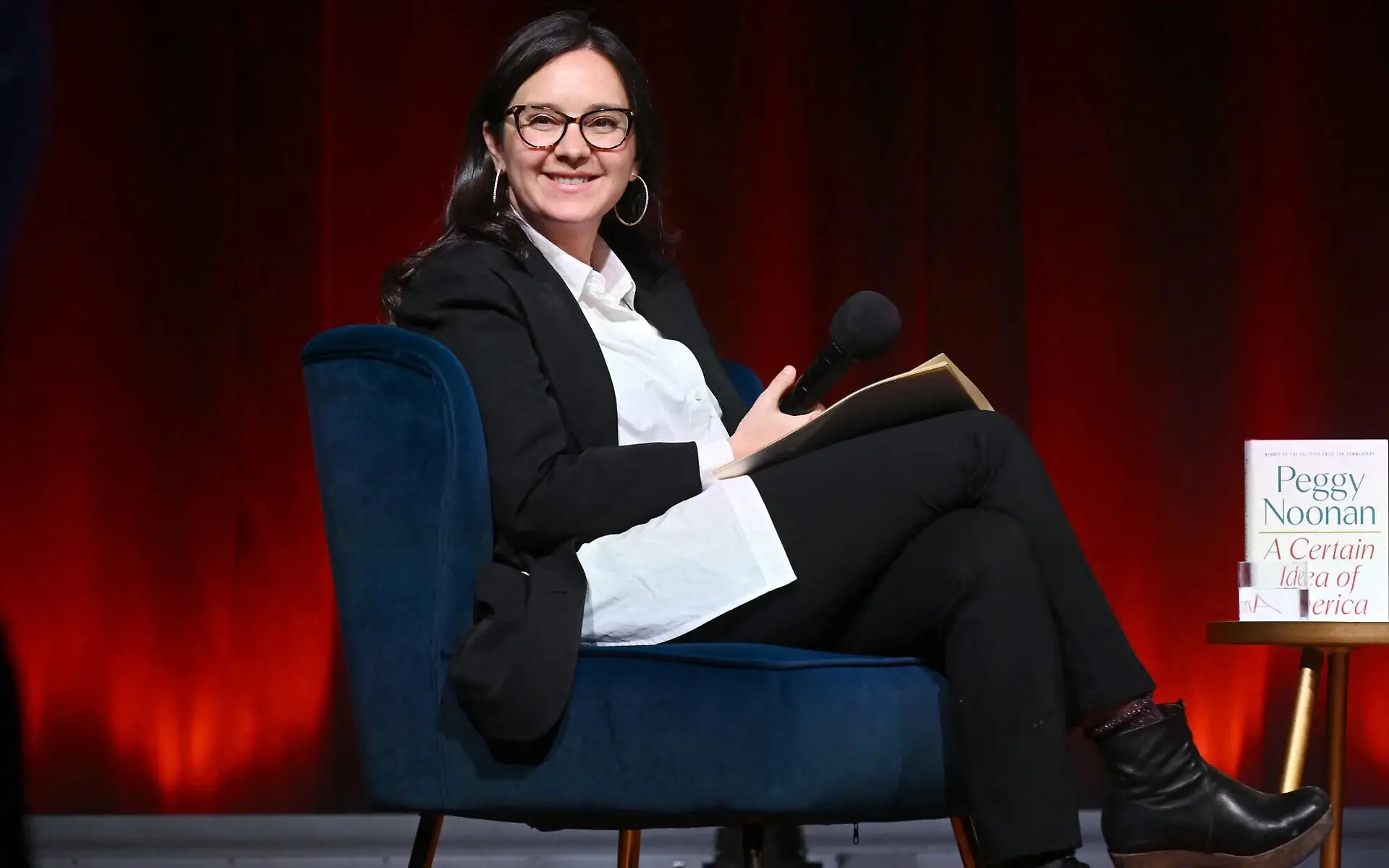
Bari Weiss, editor-in-chief of CBS News and a prominent voice in national journalism, was invited to deliver a prestigious lecture at UCLA’s Daniel Pearl Memorial Lecture series about “The Future of Journalism.” Instead, she ultimately withdrew, not due to lacking interest or irrelevance, but because of mounting pressure and threats related to her impending appearance.
Campus Pressure And Intimidation
Reports indicate that a petition against the event amassed thousands of signatures, and activist groups, including Code Pink, actively campaigned for UCLA to rescind the invitation. Meanwhile, a faculty figure allegedly threatened to resign if the lecture proceeded — a sign that opposition wasn’t limited to students but ran into institutional leadership as well.
While UCLA officials claim the event was canceled due to “security concerns,” the bigger picture is unmistakable: a chorus of ideological pressure forced a public speaker to retreat — a chilling victory for viewpoint intolerance.
Leadership and the Hypocrisy of Intolerance
What makes this episode even more troubling is the reported reaction from within UCLA’s own leadership structure.
According to recent reporting, Margaret Peters, the Associate Director of UCLA’s Burkle Center for International Relations, objected so strongly to Bari Weiss’ appearance that she threatened to resign from her leadership role if Weiss were allowed to speak, even virtually.
That detail matters.
Universities often defend cancellations or withdrawals by pointing to student activism or outside pressure. But in this case, resistance reportedly extended into the institutional leadership itself. When an associate director of a major academic center signals that even a virtual lecture is unacceptable, it reveals something deeper than a routine disagreement over programming.
It reveals that intolerance for opposing viewpoints.
The Burkle Center exists to foster discussion, international dialogue, and serious engagement with complex global issues. Leadership at such a center carries with it a responsibility to model intellectual openness. Disagreement with a speaker’s views is expected in academia. Attempting to prevent those views from being heard at all is something very different.
If those entrusted with guiding academic dialogue find it intolerable for students to hear perspectives they personally oppose, that raises legitimate questions. How can a center dedicated to international relations and open inquiry function properly if its leadership signals that certain viewpoints are beyond the pale?
The irony is difficult to ignore. The very institution charged with expanding discourse appears unwilling to tolerate it.
Universities cannot champion intellectual diversity in mission statements while resisting it in practice. When leadership itself becomes a gatekeeper against ideological disagreement, the problem is no longer student activism alone. It becomes structural and structural intolerance is far more concerning than any single protest.
Viewpoint Intolerance is an Ongoing Threat
In 2026, America faces numerous challenges, but one that strikes at the core of our constitutional republic is the refusal to engage with diverse ideas. Universities, once thought to be bastions of debate, too often become echo chambers where only certain perspectives are permitted without protest or intimidation.
When student activists and faculty members exercise their right to protest, that’s part of a healthy civic fabric. But when that pressure escalates to cancellation of scheduled discussions, public institutions are left making impossible choices: either uphold free expression or placate the loudest voices. It’s a false and dangerous choice, and it’s one that chips away at the free marketplace of ideas.
Why It Matters
American universities are meant to be training grounds for thoughtful citizens, future leaders, and informed voters. If institutions begin to decline hosting viewpoints they find “uncomfortable,” we cosign our students to ideological silos rather than the intellectually rigorous environments they deserve.
The cancellation of Bari Weiss’ lecture over security is more than an isolated controversy. It’s a symptom of a broader ongoing pandemic of viewpoint intolerance in our country.
We reject the notion that certain ideas must be excluded from public discourse simply because they’re unpopular or provoke discomfort. Free expression isn’t a convenience; it’s a constitutional foundation and a fundamental societal good.