Blog

NTC Blog Posts

Blog

American Carnage

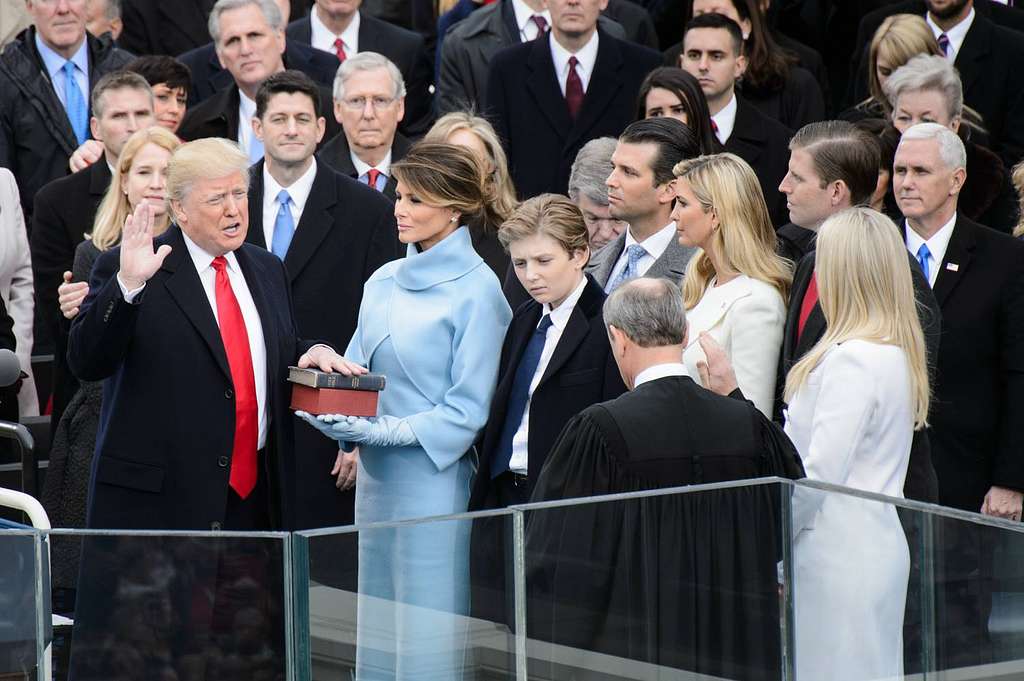
The 2017 inauguration of Donald Trump was far from a peaceful transfer of power. Will history repeat itself in 2025? The left in America is fond of casting themselves as the standard-bearers for democracy and conservators of “the peaceful transfer of power,” particularly following the Capitol riots of January 6, 2021. As the nation approaches the second inauguration of President Donald Trump, it’s worth remembering the political violence that transpired on January 20, 2017. It’s a sobering reminder that the left doesn’t always practice what they preach. The bedlam began in the day’s early hours. Coordinated attacks by aggressive activist organizations such as ANTIFA and the ANSWER Coalition organized under the umbrella group DisruptJ20 took place in multiple parts of the city. Black Lives Matter supporters chained themselves to entry points at the Inauguration. Raging demonstrators burned MAGA hats in the street, vandalized cars, and set garbage bins ablaze. Limousine driver Luis Villarroel sustained lacerations after escaping the mob that set his car on fire. Shocking footage shows swarming protesters smashing the windows of a Starbucks and Bank of America in downtown D.C. Six police officers were injured during vicious clashes with demonstrators, and over 200 people were arrested in what was one of the most violent inaugurations in modern American history. Transgressions weren’t limited to property damage and spanned several days: protesters hurled bricks and rocks at law enforcement officers tasked with maintaining order. At the Women’s March in the nation’s capital the day after the 2017 inauguration, pop star Madonna infamously declared before the assembled crowd that she had “thought an awful lot about blowing up the White House.” For some, Inauguration Day interference didn’t go far enough. In lamenting “what might have been,” an anonymous observer remarked that “a concerted effort could have been made to break through the checkpoints and storm the inauguration en masse. It is possible that in the afternoon, the bloc [ANTIFA] could have led thousands of folks out into D.C. and paralyzed the city (and still smashed shit).” As the 2025 presidential inauguration approaches, vigilance for violence should be observed. The left’s muted pushback following the 2024 election should assuage some, but it also wouldn’t be a surprise if similar chaos much like 2017 unfolds. The People’s Forum — a coalition representing groups known for engaging in violent disruption at Trump’s last inauguration — has planned a “national day of action” on January 20 titled “We Fight Back.” [Photo credit: Trump Inauguration Washington DC, CC-BY-NC-ND 2.0, via Flickr (cropped)]

Blog

New Tolerance Campaign Announces 2024 “Worst of the Woke” Awards

Super Bowl LVIII, The Olympics, Harvard, and More Among the Top 10 Worst Woke Offenders of the Year Washington, DC — Today the New Tolerance Campaign (NTC), a grassroots watchdog organization, unveiled its fourth annual “Worst of the Woke” Awards — a look back at the year’s most outrageous headline-grabbing instances of woke-run-wild in the United States. In 2024, 10 institutions went to extremes pressing a woke agenda on a weary public: DEI in Star Wars, drag queens at The Olympics, “nonbinary” toys and more all made the cut. See the full list of “Worst of the Woke” Award winners — as well as this year’s “Champion of Tolerance” — below:   Award Winner: “The Acolyte”* Reason: Disney hoped for a hit but ended up with a messy miss following the disastrous rollout of “The Acolyte.” The Star Wars spinoff crashed and burned, cancelled after only one season for the most predictable reason: it refused to stay true to Star Wars lore and instead sought to shoehorn as much DEI into every episode as possible: an all-lesbian coven of Force Witches lamenting the galaxy not accepting “women like us,” asking an alien for its pronouns, a pronounced emphasis on race and more all featured in the show. Series creator Leslie Headland even went on-record, stating that the inclusion of “queer” communities in the program was deliberate because it “would be natural” in an all-female community.   Award Winner: Super Bowl LVIII Reason: With more than 123 million viewers every year, few things unite America like the Super Bowl — but not this year. The NFL spoiled the fun with divisive woke posturing, presenting two separate national anthems before the big game: a “black national anthem” and one for everyone else.   Award Winner: The Olympics Reason: The Paris Olympics managed to anger Christians, conservatives, and anyone with good taste in dancing. The opening ceremony of the global athletic event began with a tableau of drag queens that more than a few people felt mocked “The Last Supper”; the cross-dressing star at the center of the performance who called herself “Olympic Jesus” only exacerbated the outrage.   Award Winner: Harley-Davidson Reason: Harley Davidson had a rock-solid, badass brand…and then DEI came along. A video unveiled on X showed the company’s CEO Jochen Zeitz speaking at a conference in 2020 in which he called himself “the sustainable Taliban” and asserted Harley Davidson was “trying to take on traditional capitalism and trying to redefine it.” After the uproar, Zeitz issued a public statement denouncing DEI and declaring the bike builder would pull back from the woke brink, ending its participation with the odious “Corporate Equality Index” pushed by recognized hate group the Human Rights Campaign.   Award Winner: Columbia Reason: During a three-week fiasco, the administration of Columbia University was paralyzed in the face of rabidly antisemitic and increasingly violent conduct: students took over the campus’s famed Hamilton Hall, barricaded the entrances, and hung a “Free Palestine” banner from a window. The inmates were running the asylum at New York City’s Ivy League school, with students issuing a list of wild demands that included a “complete divestment” from all Israel-related businesses and amnesty from disciplinary actions for protesting students. Columbia’s pushback? An email declaring that bringing in police “at this time” would be counterproductive. Things got so hot that Columbia ended up canceling its university-wide commencement ceremony.   Award Winner: Harvard Reason: Following the unceremonious resignation of university president Claudine Gay under allegations of rank plagiarism, America’s premier Ivy League institution presented a case study in emotional fragility in the aftermath of Donald Trump’s victory in the 2024 presidential election. Harvard professors cancelled classes for two days to allow their students “space to process the election.” The school’s Institute of Politics distributed conciliatory pastries and sweets all day on November 6. And quizzes in the “Intermediate Microeconomics” class were declared optional henceforth as a reprieve from post-election trauma.   Award Winner: WPATH Reason: Hippocratic Oath be damned! The World Professional Association for Transgender Health (WPATH) came under fire for its role in one of the most alarming medical scandals of our time. Behind closed doors, doctors affiliated with WPATH, who swore an oath to “do no harm,” privately discussed how sex-change procedures for minors are experimental, untested, and often devastatingly painful. The admissions directly contradicted their public-facing advocacy for the treatments, leaving families betrayed and children’s bodies permanently altered.   Award Winner: Mattel Reason: The company behind Barbie pushed the boundaries of political correctness with the release of “the world’s first gender-neutral doll.” The toys, marketed as “gender-inclusive,” are designed to be “a boy, a girl, neither, or both.” Mattel hailed the launch as a step toward greater inclusivity, but the move sparked pushback among parents and child-development experts.   Award Winner: Penzeys Spices* Reason: Once crowned “America’s Wokest Company,” Penzeys Spices stirred the pot yet again this year. The seasoning shop is known for promotional events such as “Republicans Are Racists Weekend” and for recommending their customers “send the Jewish people in your life…a photo of a couple sleeping bags up in your attic with the message that you will always have a place for them.” In 2024 the company sparked widespread outrage and calls for boycotts after their owner published an essay on the business’s website slamming the GOP. Of all places for Democratic presidential nominee Kamala Harris to deliver remarks about ending “divisiveness,” she chose this one?   Award Winner: Jaguar Reason: Luxury carmaker Jaguar rolled out a bizarre ad in December that left audiences scratching their heads: a commercial filled with androgynous models and completely devoid of cars. To make matters worse, the auto manufacturer literally took the jaguar out of Jaguar, erasing the iconic big cat from its logo. Critics called the company “Bud Light 2.0.” X owner Elon Musk mockingly asked the company “Do you sell cars?” And conservative parliament member Nigel Farage predicted the UK brand “will now go bust.”   2024 CHAMPION OF TOLERANCE  In

Blog

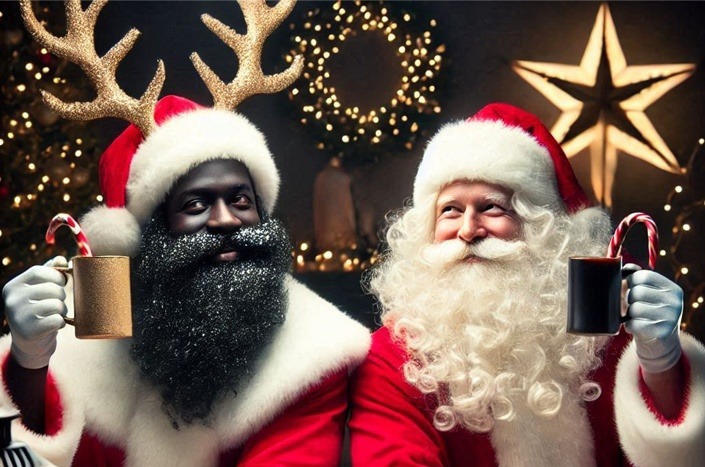
Black Santa: Diverse or Divisive?

Does DEI’s reach extend all the way to the North Pole? Can — or should — Santa Claus be black? What about his wife? Earlier this month, UK retail and health company Boots caused a stir with an advertisement depicting Mrs. Claus as African American. It’s not the first time Kris Kringle and his missus have been portrayed as black, but nonetheless is a departure from the white mythological figure from Norway upon which traditional depictions are based. The concept of “Black Santa” isn’t new — the character has long been seen in books, on television, and at greeting stands in shopping malls. But does the motif conjure more diversity or division? Christmas, and the Holiday Season writ large, is not a racial nor political occasion. In fact, it’s one of the few glimpses into what a unified American public looks like. A Gallup survey conducted in 2019 found 93% of the American population — across all genders, races, and incomes — celebrate Christmas. Whether gathering at the town square for Christmas tree lightings, exchanging gifts in celebration of the holiday, or attending church services in religious observance, the fact that this time of year is about joy and appreciating the irreplaceable things in life seems an understood and unwritten truth. Santa himself stands as a symbol of unity for Christmas time. A 2011 study in the Journal of Cognition and Development indicated that 83% of children believe in Santa Claus. Being on your best behavior to avoid ending up on Santa’s “Naughty List,” writing a “wish list” of toys and hopes to Old Saint Nick and setting out milk and cookies for the jolly man on Christmas Eve have been a shared experience for millions of American children for more than a century. Politics and race do not even play a factor. And it’s not all tidings of comfort and joy where Black Santa is concerned, either. Black Santa originated as an image used in minstrel shows to mock African Americans during the Jim Crow era in the United States. Why elevate a symbol born of such nastiness? According to a YouGov survey, the overwhelming majority of Americans (79%) prefer the traditional depiction of Santa as white — but 67% of those same respondents were also okay with depictions of Santa as black. When it comes to race debates over depictions of Father Christmas, there isn’t much of an appetite for Santa Claus culture wars. It seems most Americans agree: there are better things to worry about at this time of year. Santa Claus: the great unifier.

Blog

Coming Soon: Woke War on Thanksgiving

As America gathers to give thanks, the woke left plots to cancel this “racist” holiday. Can they succeed? They erased Columbus Day. They turned “Merry Christmas” into “Happy holidays.” Now — hold onto your turkey — rising voices on the left are calling for an end to Thanksgiving. On October 3, 1789, George Washington signed a proclamation that declared “Thursday the 26th day of November…be devoted by the People of these States to the service of that great and glorious Being…That we may then all unite in rendering unto him our sincere and humble thanks…” Abraham Lincoln made Thanksgiving an officially recognized observance in 1863 in a proclamation that instructed Americans to “to set apart and observe the last Thursday of November next, as a day of Thanksgiving.” Who could be opposed to that? Philadelphia Tribune correspondent Michael Coard for one, who asserted in a 2021 opinion piece that “Thanksgiving, as an American holiday, is a celebration of that racist genocide and massive land robbery.” In 2019, MSNBC host Joy Reid called Thanksgiving a “problematic” “food holiday.” Reid doubled down during on-air remarks in 2022 which she used to “unpack the myth of Thanksgiving.” The holiday, according to Reid, erases the idea that America is “a country founded on violence.” A 2020 blog by Gustavo Oliver on the Subvert website encouraged readers to view Thanksgiving as a “National Day of Mourning” and to “decolonize your playlist” if you listen to music while preparing the feast for family. And in a 2020 piece for the New York Times, author Nicole Daniels suggested America “rethink” Thanksgiving through “a lens of environmental justice and history.” If you think these are fringe voices, think again. A 2019 piece in the Washington Post encouraged Congress to “rename Thanksgiving to Indigenous People’s Day.” During a November 2019 rally, President Trump issued a warning: “As we gather together for Thanksgiving, you know, some people want to change the name Thanksgiving. They don’t want to use the term Thanksgiving.” He continued: “Now we’re going to have do little work on Thanksgiving. People have different ideas why it shouldn’t be called Thanksgiving.” “We’re not changing it,” Trump vowed. Trump isn’t alone in his insistence. Amid the growing cacophony of voices on the left calling for Thanksgiving’s cancellation, Cherokee Nation Chief Chuck Hoskin was asked for his reaction. “I think we should not have an oversimplification of what interaction between Pilgrims and Native Americans were,” he said. “There were times when there was some working together but there was a great deal of times when there was strife and there was war and there was injury done.” But when it comes to ending, renaming, or “reimagining” Thanksgiving, Chief Hoskin draws the line. “I think it would not be good for the country, not good for Indian Country if we somehow got rid of Thanksgiving,” he insisted. We agree.

Blog

Star Power in Politics: Hot or Not?

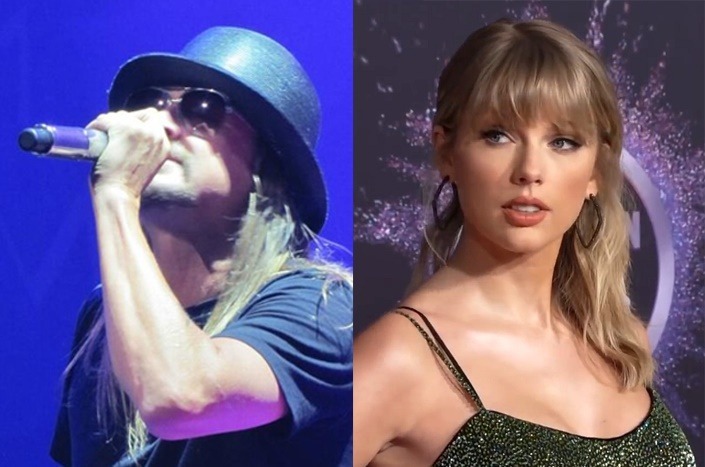
When celebrities weigh in on elections, do they win hearts or lose fans? Pharrell Williams said he “doesn’t really do politics.” The famed musician made the statement during an interview when asked if he would be supporting any candidates in the 2024 election. Williams is fast becoming an outlier among his peers. In recent days, Vice President Kamala Harris hosted events featuring Beyoncé, Bruce Springsteen, Usher, and Lizzo. Pop stars Katy Perry, Jessica Alba, and Taylor Swift have also lent their support. Musician Kid Rock has made no secret of his support for President Trump, even performing a raucous concert at the 2024 Republican National Convention (RNC). Who’s in the right? Does public support of candidates help or hurt a celebrity’s brand? For Swift, the move seems to have been a net-positive: in the time since publicly endorsing Harris on September 10, the pop singer gained 1.85 million followers on the Spotify music streaming service, 260,000 Instagram followers, and 3.9 million new YouTube subscribers. Fans who disagreed with the endorsement didn’t abandon the songstress, preferring instead to keep dissent within the fanbase: “Swifties for Trump” emerged soon after Swift took a side. Not all celebrities have fared as well. Katy Perry’s most recent album tanked following her Harris endorsement. Jessica Alba faced similar backlash: a YouTube short Alba filmed with Harris shows VP Harris stating Latina small businesses are the fastest growing in the country, to which Alba replies with snapping fingers, “Yes they are! Yes they are!” Fans called the move “super creepy.” Others expressed their disappointment, saying they would unfollow her and stop buying her products because of the endorsement of the Harris/Walz ticket. On the other side of the aisle, stars staking out a spot in the GOP nominee’s corner include Azealia Banks, Hulk Hogan, and Russell Brand. Banks (who was outspoken in her support for Trump in 2016) attended a Trump rally in Florida in July. Hogan made headlines as a speaker at the 2024 Republican National Convention when he ripped his shirt in two to reveal a Trump-Vance tee underneath. “The Hulkster” told Fox News that he’d seen an “outpouring of support” for the move as he traveled the country in the weeks following. Brand also attended the RNC — and, despite blowback, he’s sticking with his horse in the race. Celebrities bring headlines to campaigns, but do they bring votes? Vote.gov traffic surged after Swift announced her endorsement of Harris on Instagram. Megan Thee Stallion sang and twerked on stage at a Kamala rally in Atlanta urging the estimated 10,000 people in attendance vote to “make history with the first black female president.” Kid Rock was the headlining act at a Log Cabin Republicans “GOP Unity” event on September 29 and hosted a MAGA-centric music festival in August. Kansas City Chiefs kicker Harrison Butker announced his endorsement of Trump at a get-out-the-vote rally in Missouri. And former NASCAR driver Danica Patrick was a featured speaker at a Trump campaign event in September. A Harvard study published in August 2024 found that famous endorsers can have a substantial effect on promoting participation in elections, particularly in efforts encouraging voter turnout. “Celebrities have a unique ability to connect with younger generations in ways that mainstream media and other get-out-the-vote efforts may not be able to,” the analysis states. One thing is clear: whenever a celebrity wades into the world of campaigns, they’re putting their brand at risk. It’s why Dolly Parton has steered clear of politics for the entirety of her decades-long career. “I’ve got as many Republican fans as Democrats,” Parton said in a 2017 interview. “And I don’t want to make any of them mad at me, so I don’t play politics.” Advice for celebrities pursuing career longevity: Don’t quit your day job.   [Photo credits: Kid Rock: Rich Girard, CC BY-SA 2.0, via Wikimedia Commons (cropped, flipped horizontal). Taylor Swift: Cosmopolitan UK, CC BY 3.0, via Wikimedia Commons (cropped)]

Blog

Is DEI about to DIE?

Big brands and universities have been rolling back DEI programs. Is it part of a bigger trend? The divisive Diversity, Equity, and Inclusion (DEI) movement has taken a hit — but is it knocked out?  In recent weeks, grassroots action has pushed major corporations and universities to backtrack on their DEI initiatives. Some recent highlights: Tractor Supply Company was first on the chopping block. In a statement released on June 27, Tractor Supply responded to customers disappointed with DEI with an assertion that, going forward, the company will cease to participate in the radical LGBTQ Human Rights Campaign’s (HRC) deceptively titled “Corporate Equality Index,” refocus employee engagement on professional development, and eliminate all DEI roles in the company. Molson Coors joined in short order after conservative activist and filmmaker Robby Starbuck messaged Coors executives pledged to expose the company’s woke workplace policies. Coors decided announced the suspension of all DEI trainings, ended the practice of tying compensation to “diversity,” and also terminated involvement with the HRC “Corporate Equality Index.” Starbuck was set similarly expose Jack Daniel’s Whiskey, but before he could go public Brown-Forman Corporation (the parent company of Jack Daniel’s) rolled back their DEO programs, saying they will no longer tie incentives to diversity benchmarks, but job performance instead (what a concept!). Brown-Forman, too, ended their participation in the HRC “Corporate Equality Index.” Starbuck struck again at auto manufacturer Ford, which soon released a statement saying that they would still celebrate diversity, but would no longer use quotas, conduct DEI trainings, and also stop providing data to the HRC “Corporate Equality Index.” Harley-Davidson faced backlash once their core customer base learned of its tone-deaf DEI commitments. The motorcycle manufacturer posted a public statement saying, “we have not operated a DEI function since April 2024, and we do not have a DEI function today.” Harley-Davidson also announced the end of hiring and supply spending quotas and a commitment to focus on professional development, rather than DEI. Over in academia, universities retreated from the DEI agendas they once proudly proclaimed. The University of North Carolina Wilmington (UNCW) restructured their DEI department after their board of governors cut DEI-specific positions in June. Chancellor Aswani K. Volety announced UNCW had closed its Office of Institutional Diversity and Inclusion (OIDI) and eliminated its chief diversity officer position — but the school also stated it would be moving OIDI cultural centers into the office of Student Affairs and repositioning faculty members into other positions on the campus. Did UNCW end DEI or just shuffle the deck? On August 20, the University of Nebraska-Lincoln (UNL) disbanded their Office of Diversity and Inclusion. In an email to employees, Chancellor Rodney Bennett said that this decision was made “after considerable reflection and a thorough review of both the national landscape and the specific needs of our institution.” UNL will be “reimagining” how they approach DEI on campus but will no longer be taking the centralized approach pushed by the woke left. After Virginia Governor Glen Younkin requested to view DEI instruction at George Mason University, the school announced that students would no longer be required to take DEI courses to graduate. A Youngkin spokesman said the governor “had heard concerns from parents and students about ‘a thinly veiled attempt to incorporate the progressive left’s groupthink on Virginia’s students.’” The university’s new DEI rules were set to go into effect during the fall 2024 semester, but the school decided to delay the implementation to allow their Board of Visitors to vote on the curriculum change. It is unclear how the board will vote and if the DEI requirement is truly gone. All in all, DEI initiatives at universities and corporations are being pushed out by some and redefined by others. Do these developments point to DEI in decline? Only time will tell.

Blog

The Pressuring Press

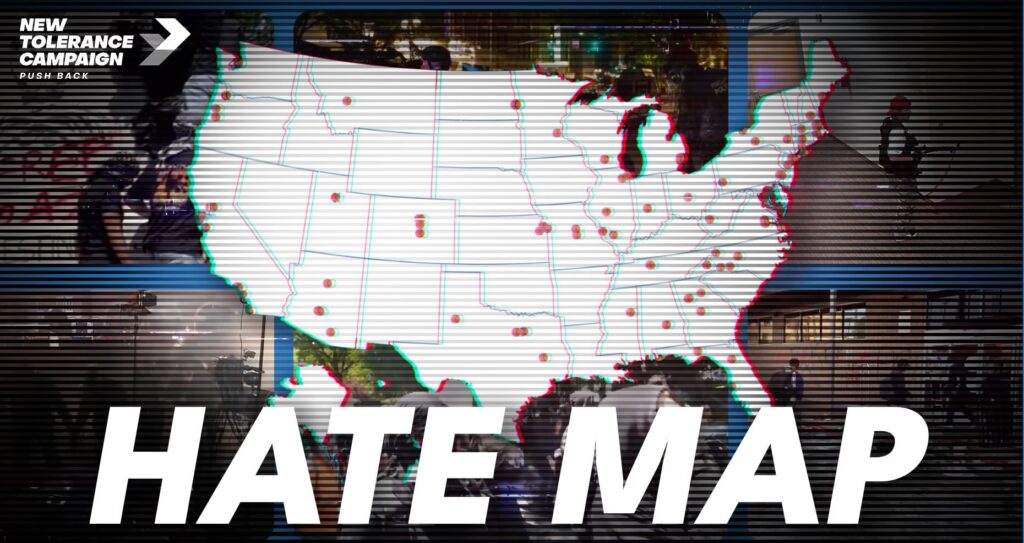
Media’s dehumanization can lead to political violence Media influence has the ability to shape public opinion and discourse. It also has the power to foster violence and dehumanization — especially when it comes to the portrayal of individuals and groups in the political arena. Since he ran for president in 2015, America’s corporate media has promoted rhetoric that transformed Donald Trump from the country’s best-known billionaire and pop culture figure into a nefarious demon. Press labeling Trump “an existential threat to democracy” and deeming him “literally Hitler” enabled actors such as Don Cheadle to rally celebrities against “a racist abusive coward who could permanently damage the fabric of our society.” In 2016, BuzzFeed News gave their reporters the green light to label Trump “a mendacious racist” in their coverage. And it’s not just Trump — characterization of Trump’s supporters in the press paints a picture of crazed, uneducated rednecks. Including the Hills op-ed titled, “The difference between Republicans and MAGA Republicans is violence.” The New York Times produced a video exclusively highlighting inflammatory remarks from Trump rally attendees. Not depicted: people like retired schoolteacher Sharon Anderson, a regular at Trump rallies who says she goes because, “We’ve got to have hope.” Or nine-year-old Ava Lovley of New Hampshire who said she likes Trump because she “loved his hair and that he speaks his mind.” For proof of the dangers of dehumanization, one need look no further than the reaction on social media to the attempted assassination of Trump on July 13. On social media, people longed for the days of John Wilkes Booth and Lee Harvey Oswald, angrily wondered how the would-be assassin could “shoot and miss,” and lamented that it was “close to being the best day ever.” Police have also found themselves targets of violence following intense cultural dehumanization. A Washington Post article from September 2020 raised concerns that escalating rhetoric from the left could potentially incite “network-enabled mobs.” In metropolitan centers, the acronym ACAB (“All Cops Are Bastards”) can be seen in graffiti on buildings, on signs at protests, and during riots. It’s all part of a greater trend of dehumanizing individuals who don’t hold a leftist worldview. In the media, the term “far-right” has been applied equally to white nationalists like Nick Fuentes and African-Americans like Dr. Ben Carson. Intense adjectives such as “extremists,” “Nazis,” and “evil” are casually lobbed by the left to describe (and dehumanize) their political opponents. This rhetoric has serious consequences. Take, for example, Moms for Liberty — the group, founded to assert parental rights in their children’s education, also found itself on the Southern Poverty Law Center’s so-called “Hate Map,” lumped together with the Ku Klux Klan and domestic terrorists for being an “extremist” “anti-government group”. As a result, Moms for Liberty members faced death threats. As consumers of media, we must hold our information sources accountable. Firstly, we must demand elevated ethical standards from journalists and media organizations to ensure that their reporting remains rooted in facts. Social media has given Americans the power to be their own fact-checkers; we should take it upon ourselves to seek proof and ask questions rather than blindly agreeing with the media’s framing of narratives. On a personal level, we can reject the mob mentality and refuse to engage in personal attacks. The climate of political violence exacerbated by media dehumanization underscores the need for vigilance and responsibility in how we consume and interpret information. The stakes have never been higher.       [Photo credit: in transition, CC BY 2.0, via Flickr (cropped)]

Blog

Has Cancel Culture Been Canceled?

High-profile celebrities wonder if society has turned a corner Originally celebrated as a means of holding individuals and institutions accountable for their actions, “cancel culture” soon became weaponized and used as a means of silencing ideological opponents and mandating political correctness. People have lost their jobs and more for the simple act of sharing their opinion. But has cancel culture gone out of vogue? Some well-known celebrities think so — others…not so much. CELEBRITIES DECLARING CANCEL CULTURE IS OVER: Comedian Rob Schneider recently claimed cancel culture is history — even after getting booed during a comedy set on June 1 for alleged “transphobic, misogynistic and anti-vax” jokes. After Schneider’s performance on stage, he only had two words “It’s over.” “THERE IS NO SUCH THING AS CANCEL CULTURE,” New York Times columnist Charles Blow declared in an all-caps tweet. He further contended that what exists instead is simply free speech, suggesting that those with wealth are merely aggrieved by the newfound ability of the public to coordinate their opposition. During a podcast interview with Bill Maher, comedian and actor Bill Burr remarked that cancel culture “started off with something everyone could agree on, and then quickly it just spun out of control.” He went on to say, “Cancel culture…it’s over. No one cares anymore.” Mere months after taking over the social media platform X, Tesla founder Elon Musk declared, “RIP Cancel Culture, you won’t be missed.”   CELEBRITIES DECLARING CANCEL CULTURE IS ALIVE AND WELL: On “The Breakfast Club” radio show comedian Chris Rock shared his perspective that cancel culture is still real — and it’s killing creativity in comedy.   “It’s weird when you’re a comedian because like, when you’re a comedian, when the audience doesn’t laugh, we get the message,” Rock said. “You don’t really have to cancel us because we get the message. They’re not laughing. Our feelings hurt. When we do something and people aren’t laughing we, like, we get it.” A victim of cancel culture, it’s no surprise that actor Johnny Depp isn’t a fan. “It’s so far out of hand now that I can promise you that no one is safe,” he said. “It takes one sentence and there’s no more ground, the carpet has been pulled. It’s not just me that this has happened to, it’s happened to a lot of people. This type of thing has happened to women, men. Sadly, at a certain point they begin to think that it’s normal. Or that it’s them. When it’s not.” In an interview, Friends star Jennifer Aniston said cancel culture remains a reality — and she’s sick of it. “I’m so over cancel culture — I probably just got canceled by saying that,” she joked. “I just don’t understand what it means…Is there no redemption?” Of course, it’s easier for celebrities to recover from cancellation than everyday Americans. The real victim of cancel culture is America’s Average Joe. Public shaming may be on the way out, but to avoid being canceled in the first place a new worrisome trend is emerging: self-silencing. According to a survey by the Foundation for Individual Rights and Expression (FIRE), over 50% of students (56%) are concerned about potential reputation damage due to misunderstandings of their words or actions. Additionally, slightly more than a quarter of students (26%) feel pressured to steer clear of discussing contentious subjects in their classes. Moreover, one in five students (20%) frequently self-censor their opinions and beliefs. More generally, the National Speech Index shows that 69% of people believe the country is heading in the wrong direction when it comes to being able to express their opinions and views. All of that in spite of a 2020 Politico survey that found “a clear majority” of Americans “across almost every demographic category — says that cancel culture has gone too far.” Cancel culture isn’t canceled — it’s evolving.

Blog

Color Wars

Major brands are discovering there’s no easy way to dial back Pride Month politics! Corporations having second thoughts about aggressive LGBTQ marketing during “Pride Month” are learning a difficult lesson: when it comes to trying to disentangle your brand from cultural issues, you’re damned if you do and damned if you don’t. Just ask Bud Light and Target — the fallout from last year was detrimental to both companies’ revenue and both are still recovering from consumer pushback. Last year Target, the national retail chain, decided to display LGBTQ Pride merchandise in their stores and received extreme backlash from conservatives over the display. Target’s market value was over 74 billion before the displays were put up and fell over 15.7 billion during the backlash. This year, Target responded to conservative activists’ concerns by giving its Pride displays less prominent placement and removing it from some stores entirely. In previous years, Target adopted a rainbow-themed version of its logo on their social media platforms in June; this year they decided against it. Bud Light, under the ownership of Anheuser-Busch, continues to face challenges following last year’s conservative backlash sparked by a social media campaign featuring transgender influencer Dylan Mulvaney. This year they, too, decided against embracing the rainbow logo during pride month. And it’s not just Bud Light and Target — this month numerous other big brands decided to decline LGBTQ-themed logos including Microsoft, Coca-Cola, IBM, and Google. “Ever since Target and Bud Light had their fiascos last year, a tremendous number of brands have decided it would be much better to sit on the sidelines and let this sort itself out,” Pink Media President Matt Skallerud told USA Today. As public disagreement over Pride prominence in marketing continues, companies are finding themselves in a bind with the realization that not everyone in their consumer base agrees with progressive values. Even worse: they’re discovering that once they’ve set precedent by engaging in social issues marketing in the past, it’s difficult to disentangle their respective brands once the door has been opened. As Managing director of GlobalData Neil Saunders said: “If you promote Pride, some people will be unhappy with it. If you don’t promote Pride, some people will be unhappy about that. It’s not a battle you can win completely, which is why some retailers and brands are taking a middle-of-the-road approach and keeping it moderate.” Of course, none of these companies would be facing this conundrum if they avoided wading into politics in the first place. Any solution to their current quagmire will require a reset that focuses on what should matter the most: the customer.

Blog

College Protest Response: The Good, Bad, & Ugly

Contrasting responses to pro-Hamas protests on campus Amid a wave of pro-Hamas protests that erupted on college campuses this spring, universities across the nation grappled with how to address the demonstrations while upholding principles of free speech and safety for all students. Some institutions were exemplary in their reaction — others, not so much… UNIVERSITIES THAT HANDLED THE PROTESTS POORLY: Columbia University was ground-zero for aggressive pro-Hamas protests. A three-week fiasco, the Columbia administration was paralyzed in the face of increasingly disorderly conduct, allowing for weeks of ongoing protests even after the students took over the campus’s famed Hamilton Hall, barricaded the entrances, and hung a banner from the window saying, “Free Palestine.” Students held the school hostage, issuing a list of wild demands that included a “complete divestment” from all Israel-related investments and amnesty from disciplinary actions for protesting students. Columbia’s pushback? An email saying that bringing back police “at this time” would be counterproductive. Things got so hot that Columbia ended up canceling its university-wide commencement ceremony. Harvard University pursued a more “inclusive” approach to the chaos. Student agitators made a mess of the Harvard campus, pushing their agenda for more than three weeks until the Ivy League school’s president Alan Garber and university officials agreed to meet with them to discuss the students’ demands that the university cut ties with Israel and businesses that support Israel. Harvard was already facing backlash after not condemning its student groups with statements claiming that Israel was “entirely responsible” for the brutal Hamas attacks on the country. U.S. Senator Ted Cruz, also a Harvard Law School graduate, wrote on X, “What the Hell is wrong with Harvard? Given the choice between standing with Israel or supporting terrorists who are raping, kidnapping & killing thousands of women & children…31 student groups choose the terrorists. Their blazing hatred & antisemitism utterly blinding.” Cornell University found itself on the receiving end of a letter from Congress criticizing their handling of the protests, asserting that “antisemitism remains a serious problem” at the school. They weren’t exaggerating: numerous students expressed concerns over the protests, citing feelings of insecurity and the fostering of antisemitic sentiment on campus. In the midst of heated campus discussions regarding antisemitism and demonstrations concerning the Israel-Hamas conflict Cornell president Martha E. Pollack announced she would be stepping down.   UNIVERSITIES THAT HANDLED THE PROTESTS WELL: University of Chicago president Paul Alivisatos pushed back with a robust statement declaring an end to spiraling protests on campus and reasserting the school’s stated values. “Free expression is the core animating value of the University of Chicago, so it is critical that we be clear about how I and my administration think about the issue of encampments, how the actions we take in response will follow directly from our principles, and specific considerations that will influence our judgments and actions. The general principle we will abide by is to provide the greatest leeway possible for free expression, even expression of viewpoints that some find deeply offensive. We only will intervene when what might have been an exercise of free expression blocks the learning or expression of others or that substantially disrupts the functioning or safety of the University. These are our principles. They are clear.” Alivisatos came out with a follow-up saying, “I believe the protesters should also consider that an encampment, with all the etymological connections of the word to military origins, is a way of using force of a kind rather than reason to persuade others…those violating university policy should expect to face disciplinary consequences.” And they did. University of Florida took a tough approach and condemned campus agitators, telling them they would face legal consequences for actions that cross the line from speech into violence. The demonstrations baffled university president Ben Sasse, who said, “We support folks’ free-speech rights, but that includes the right to make an a– and an idiot of yourself, and a lot of the protesters say ridiculously, historically and geographically ignorant things.” Sasse continued: “This is not complicated: The University of Florida is not a daycare, and we do not treat protesters like children. They knew the rules, they broke the rules, and they’ll face the consequences.” University of Texas at Austin adopted a firm approach toward protesting students and faculty alike. Pro-Palestine activists were adamant in their demands, which included the resignation UT Austin president Jay Hartzell. As UT Austin is a public university, Texas Governor Greg Abbott stepped in and responded, saying, “This will NEVER happen. The only thing that will happen is that the University and the State will use all law-enforcement tools to quickly terminate illegal protests taking place on campus that clearly violate the laws of the state of Texas and policies of the university.” In just one week, law enforcement cracked down on the law-breakers, apprehending over 100 protesters for offenses that included criminal trespassing and violations of university regulations. The differing approaches universities took to this heated moment highlight the principle of upholding free speech but also the importance of having a clear policy showing where to draw the line. The institutions of higher education that handled the protests best are the ones that upheld their stated rules and values. That’s not a coincidence.   [Photo credit: Jane Dominguez, CC BY-NC-SA 2.0 DEED, via Flickr (cropped)]

Scroll to Top